
Utility Coordination Is Eating Construction Schedules
Subsurface conflicts now drive more delays than weather. The fix is geospatial intelligence, applied early.
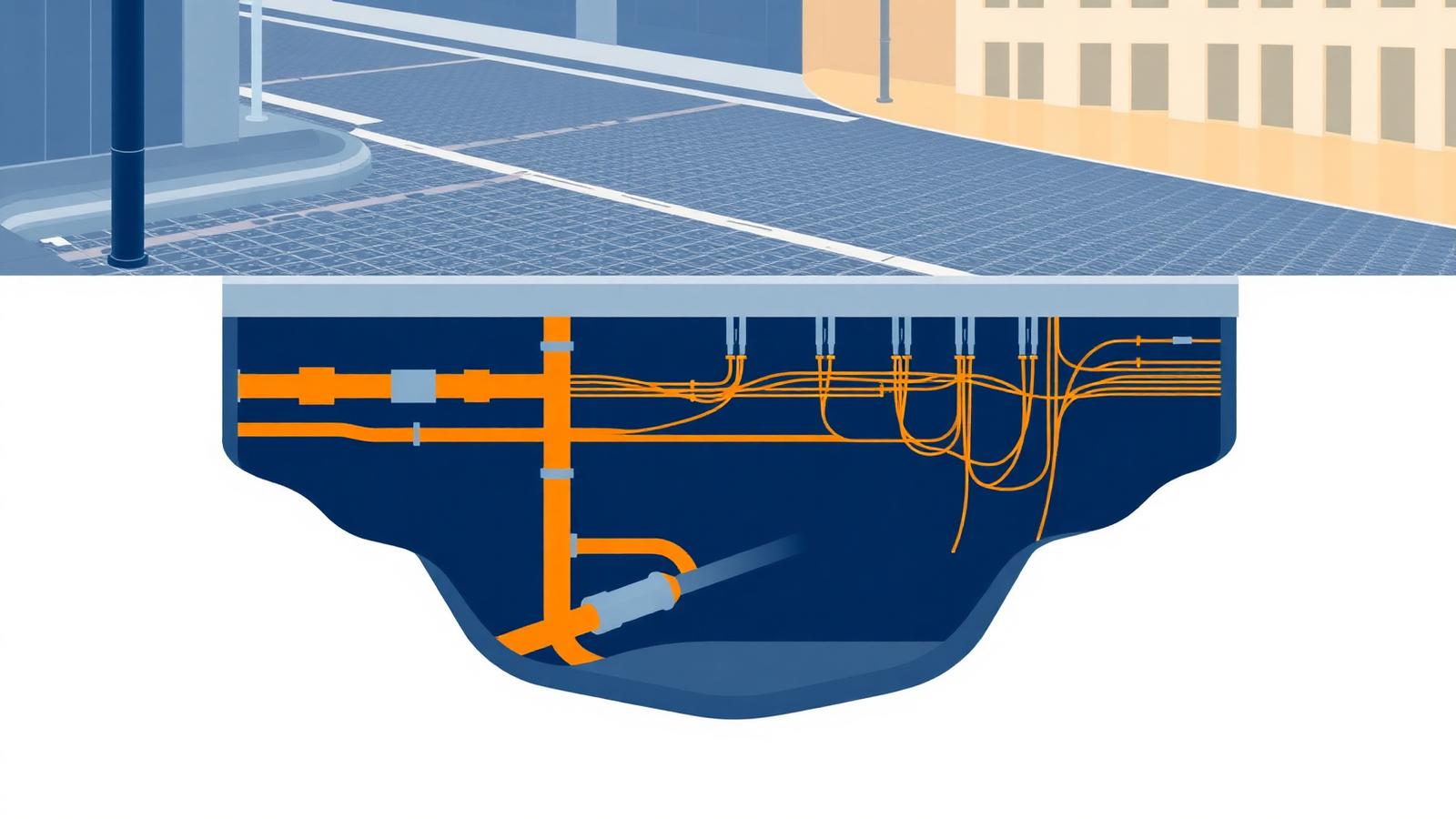
Ask any project superintendent what kept them up last quarter, and weather used to be the unanimous answer. Not anymore. Across the projects we've instrumented, subsurface utility conflicts now account for more lost days than weather, labor shortages, and inspection delays, combined.
Why it got worse
Three things changed simultaneously. Fiber and small-cell deployments dramatically increased the density of subsurface infrastructure in urban corridors. Aging utility records, especially gas and water, became less reliable as legacy maps fell out of sync with field reality. And the pace of urban construction outran the capacity of one-call systems to keep up.
The result: a project team can do everything right in the application phase and still hit a previously-undocumented utility on day one of excavation.
“If you're discovering a utility conflict during excavation, you've already lost the project's most expensive week.”
The geospatial fix
The technology to prevent most of these conflicts already exists. High-resolution geospatial layers, ground-penetrating radar surveys, and AI-assisted reconciliation of legacy records can flag 80%+ of latent conflicts before a permit is even submitted.
What's missing is the discipline to apply it at the front of the project. Most teams still treat utility coordination as a check-the-box step late in the schedule. By then, the cost of avoidance is already gone.
The cultural shift
The operators winning this fight have moved utility coordination upstream of design freeze. They're paying for surveys before they own the property. They're treating the locate ticket as a contract, not a courtesy. The savings are visible inside one quarter.
More from Insights
All articlesHow Long Does a Commercial Building Permit Really Take in 2026?
A jurisdiction-by-jurisdiction breakdown of real plan-review timelines for commercial building permits, what drives the variance, and how operators are compressing it.
The Complete Guide to Multi-Jurisdiction Permitting
How to design, staff, and instrument a permitting program that runs across every active market without losing the schedule or the institutional memory.
AI Permit Automation in 2026: What Works, What Doesn't, What's Hype
An honest accounting of where AI is actually moving the needle in commercial permitting, where it is failing, and how to evaluate vendor claims without getting burned.